Dad's Workshop Svg Cut File Design Review
As a designer who spends half my life staring at stitch charts and the other half arguing with embroidery machines about tension settings, I don’t just buy designs; I stress-test them. When I first pulled Dad s Workshop Svg Cut File Design into my workspace, I wasn’t looking for pretty pictures. I was looking for viability. Could this actually work on a real garment? Would it hold up in a wash cycle? And most importantly, would it look good enough that a customer wouldn’t immediately regret buying it?
This pack contains ➤ 1 SVG files perfectly designed for Cricut and Silhouette Studio ➤ 1 PNG files transparent background ➤ 1 EPS files for editing purposes ➤ 1 JPEG files for Iron On Machines ➤ 1 DXF. That variety is helpful, but as an embroidery professional, my eyes go straight to the structural integrity of the lines and the potential for clean digitization. Here is my honest take on how this design performs when you move it from screen to fabric.
The First Impression: Mood and Layout
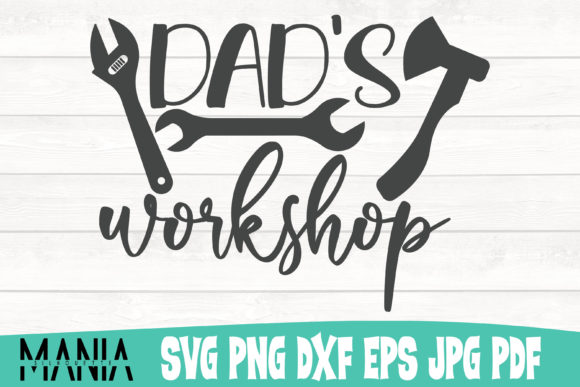
The immediate vibe of Dad s Workshop Svg Cut File Design is nostalgic but grounded. It doesn’t scream for attention with chaotic elements; instead, it offers a structured, recognizable theme that appeals to the "maker" identity. For a designer, this is gold. It taps into a specific emotional niche—pride, craftsmanship, and home—that resonates deeply with gift-givers.
Visually, the layout feels balanced. There is enough negative space to allow for breathing room during stitching, which prevents the dreaded "stitch-out" where the fabric puckers because there is simply too much thread competing for surface area. The shapes are distinct, which suggests that whether you are approaching this as a machine embroidery design or a vinyl cut, the registration points will be easy to manage. It has the visual personality of a well-worn tool shed: reliable, sturdy, and unpretentious.
Real-World Application: Where This Design Shines
I put this design through its paces in several hypothetical scenarios to see where it fits best in a small business inventory or a personal project list. The versatility of Dad s Workshop Svg Cut File Design makes it a strong candidate for several key categories.
- Custom Apparel and Sweatshirts: This is perhaps the strongest use case. Imagine a heavyweight charcoal sweatshirt with this design centered on the chest. The contrast between the dark fabric and lighter thread colors (if digitized properly) creates a premium look. It works equally well on denim jackets, offering a rugged aesthetic that matches the theme.
- Tote Bag Design: Canvas bags are a staple for craft fairs and Etsy sellers. This design translates beautifully onto natural jute or heavy cotton canvas. Because the lines are clear, it remains legible even if the bag gets crumpled or folded. It serves as both a functional item and a walking billboard for the wearer’s hobbies.
- Personalized Gifts and Holiday Embroidery: Think about Father’s Day, Christmas, or birthdays. This isn’t just a generic dad joke; it’s a celebration of skill. Placing this on a kitchen towel or a tea towel adds a layer of utility to the sentiment. It’s the kind of gift that stays in the house rather than going to the back of a closet.
- Embroidered Patch and Caps: If you are adding borders or backing to turn this into a patch, the clean edges of the original file make trimming easier. On a cap, the curved surface can be tricky, but the central focus of the design ensures it doesn’t get lost in the distortion of the brim.
Technical Considerations and Potential Pitfalls
No design is perfect without proper execution. As you prepare to use Dad s Workshop Svg Cut File Design, there are specific areas where you need to exercise caution. Ignoring these can lead to frustrated customers and ruined garments.
Hoop Size and Detail Level: Always check the bounding box of the design before starting. If you attempt to stitch intricate details in a hoop that is too small, you risk clipping parts of the image or creating excessive jump stitches. Conversely, if the design is meant to be large, ensure your machine’s maximum hoop size can accommodate it without requiring re-hooping, which often leads to misalignment.
Fabric Texture and Stability: This design likely relies on solid fills or defined outlines. On textured fabrics like bouclé or thick terry cloth, fine details may disappear into the weave. Similarly, on stretchy knits, you must use a proper stabilizer—cut-away for heavy items like hoodies, tear-away for lightweight woven shirts—to prevent the design from warping after washing. Thin fabrics require extra care to avoid visible puckering on the reverse side.
Thread Color Contrast: The visual appeal of Dad s Workshop Svg Cut File Design hinges heavily on thread choice. Dark fabric demands light, vibrant threads, while white fabric might require multiple shades to create depth. Avoid low-contrast combinations (like beige thread on cream fabric) unless you are aiming for a very subtle, tonal look. Test your thread colors on scrap fabric first to ensure they pop under different lighting conditions.
Stitch Density and Clarity
If you are converting this vector file into an embroidery format, pay close attention to stitch density. Too dense, and the fabric becomes stiff and uncomfortable; too sparse, and the underlying material shows through, making the design look cheap. A balanced approach using a mix of satin stitch for borders and fill stitch for larger areas usually yields the best results. Also, inspect small details closely. Tiny text or thin lines may not render well if the digitizer did not account for minimum stitch lengths.
Impact on Brand and Customer Trust
In the world of handmade products and digital product sellers, presentation is everything. A well-executed Dad s Workshop Svg Cut File Design signals professionalism. It tells the buyer that you care about quality, not just speed. When a customer receives a finished product where the stitching is crisp, the edges are clean, and the placement is centered, their trust in your brand increases. They are more likely to leave positive reviews, recommend your shop to friends, and return for future purchases.
Furthermore, this design enhances the perceived value of your items. A simple tote bag becomes a boutique product when adorned with a thoughtful, high-quality embroidered graphic. It transforms a commodity into a keepsake. For commercial embroidery projects, this means you can command higher prices because the end result looks custom-made and deliberate.
Practical Designer Notes for Success
Before you commit to a full production run or a complex client order, follow these practical steps to ensure success:
- Test on Scrap Fabric: Never assume a design will stitch out perfectly on the final material. Run a test on the exact fabric and stabilizer combination you plan to use.
- Check Licensing: Confirm whether the license allows for commercial use of the finished physical goods. This is crucial for Etsy sellers and small shop owners who rely on sales revenue.
- Review Black and White Mockups: Sometimes color distracts from form. View your design in grayscale to ensure the composition holds up without the aid of vibrant thread colors.
- Inspect Small Details: Zoom in on the original file. Are there any jagged edges or overlapping paths that could cause sewing errors? Clean up the vector if necessary before digitizing.
- Compare Light and Dark Backgrounds: Ensure the design works across your entire product line, not just on one type of garment.
Ultimately, Dad s Workshop Svg Cut File Design is a solid asset for any creative entrepreneur. It captures a universal theme with a clean, adaptable structure. By paying attention to the technical details—hoop size, stabilizer choice, and thread contrast—you can transform this digital template into a tangible, beloved piece of art. Whether you are crafting a personalized gift for a loved one or building a robust catalog for your online store, this design provides a reliable foundation for success.