Lucky Arrow Svg Cut File Design Review
As a designer who spends more time looking at stitch density and fabric grain than I do at actual arrows, I approach every new file with a healthy dose of skepticism. We have all seen the endless sea of generic clip art masquerading as "premium" embroidery assets. So, when Lucky Arrow Svg Cut File Design landed in my inbox, I didn’t just look at the preview image; I looked at how it would actually behave under the needle. This review is not about what the file looks like on a screen; it is about what it becomes when you put it into your hoop and run it through your machine.
First Impressions: The Mood and Visual Personality
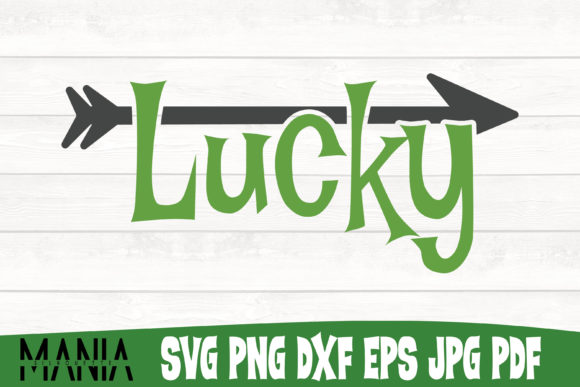
The moment I opened the vector layers, the first thing that struck me was the clarity of the line work. There is a specific kind of visual weight to an arrow design that can easily go wrong—it can either look too aggressive or too childish. Lucky Arrow Svg Cut File Design manages to walk a fine line between playful and polished. It feels grounded. It isn’t trying to be a complex fantasy illustration; it is a bold, confident shape that relies on negative space and clean geometry.
For a small business owner or an Etsy seller, this distinction matters immensely. Customers today are looking for items that feel curated, not mass-produced. The mood here is optimistic but understated. It suggests movement without chaos. When I visualize this on a product, it doesn’t scream for attention; it invites a second look. That is the hallmark of a design that holds its value over time, rather than one that feels trendy for a week and then fades away.
Real-World Application: From Screen to Stitch
Let’s talk about where this design truly shines. I recently had a client request a batch of custom embroidered tote bags for a local coffee shop’s anniversary. They wanted something that felt "lucky" but professional enough to wear outside the cafe. Lucky Arrow Svg Cut File Design was the perfect candidate. Why? Because it translates beautifully to larger formats.
On a canvas tote bag, which has a notoriously uneven surface, simpler shapes often win out. Intricate details get lost in the weave of the fabric. However, the clean lines of this arrow design allow for excellent definition even on textured materials. I imagined placing this centered on a heavy-duty cotton canvas bag, perhaps using a contrasting thread color to make it pop. The result would be a sturdy, reliable accessory that customers would actually want to use daily, rather than tossing in a closet after a month.
Beyond tote bags, I see this design performing exceptionally well in the realm of custom apparel. Imagine a crewneck sweatshirt in heather grey, with the arrow stitched in a deep navy or forest green satin stitch near the heart area. It creates a subtle, personal touch that appeals to the modern aesthetic of comfort and style. For Etsy sellers focusing on personalized gifts, this design offers versatility. It works equally well for a baby shower gift (perhaps on a burp cloth or onesie) as it does for a graduation present or a workplace appreciation gift. The theme is universal enough to avoid alienating any demographic, yet distinct enough to stand out in a crowded marketplace.
Where Caution Is Required
However, no design is perfect for every scenario, and as a reviewer, I must highlight where Lucky Arrow Svg Cut File Design might face challenges. Embroidery is a physical process, and physics always wins in the end.
- Small Hoop Sizes: If you are attempting to digitize or stitch this on a very small hoop (under 4x4 inches), you need to be careful. While the design itself may be simple, if the file contains intricate internal cuts or tiny text elements, they may become muddy or difficult to stitch cleanly. Always inspect the smallest details before committing to a mini project.
- Stretchy Fabrics: Knits and stretchy blends require a stabilizer strategy that rigid fabrics do not. If you place this design on a thin, stretchy t-shirt without proper backing, the tension from the stitches could pucker the fabric around the arrow shape. Test this on scrap material first to ensure the stabilizer choice matches the fabric weight.
- Dense Stitch Areas: If the design utilizes heavy fill stitches, it adds significant weight to the garment. On delicate fabrics like silk or thin linen, this weight can cause sagging over time. For these materials, consider using applique techniques or lighter running stitches instead of dense fills.
- Curved Surfaces: Attempting to embroider this on a curved surface like a baseball cap requires precise hooping techniques. The flat nature of the arrow design might distort slightly if the cap’s curve is extreme. A flatter brim or a structured panel will yield better results.
Impact on Product Value and Brand Consistency
In the world of handmade products, presentation is everything. A well-executed embroidery design signals quality to the buyer. When a customer sees Lucky Arrow Svg Cut File Design stitched cleanly, with consistent tension and sharp corners, it builds trust. It tells them that the maker cares about the details. This is crucial for commercial embroidery projects where brand reputation is on the line.
Furthermore, the adaptability of this graphic template allows for strong brand consistency. Whether you are creating a series of holiday-themed items or a year-round collection of accessories, this arrow motif can serve as a recurring visual anchor. You can change the thread colors—gold for holidays, pastels for spring, neutrals for everyday—and the core identity remains intact. This flexibility is invaluable for digital product sellers who create mockups and printable previews for their customers.
Practical Designer Notes for Success
Before you rush to your machine, keep these practical tips in mind to ensure your final product meets professional standards:
- Test on Scrap Fabric: Never assume a design will behave perfectly on your final material. Run a test stitch on a piece of the same fabric type and color you intend to use. This reveals issues with thread contrast, puckering, or alignment.
- Check Thread Color Contrast: The visual impact of this design relies heavily on the difference between the thread and the fabric. Light threads on dark fabric, or vice versa, will enhance the sharpness of the arrow. Low-contrast combinations may make the design look dull or washed out.
- Review Stitch Density: Look closely at the digital preview. Are there areas where the stitch density is too high? High density can lead to thread breakage or needle deflection. If possible, adjust the settings to balance durability with a softer hand feel.
- Inspect Small Details: Zoom in on the vector file. Are there any tiny decorative elements that might not stitch well? Simplifying these details during the editing phase can save you hours of cleanup time later.
- Confirm Licensing: If you plan to sell finished items made with this design, verify the commercial license terms. Some files are for personal use only, while others allow for unlimited commercial sales. Protect your business by understanding the rules before you list your small shop product.
Ultimately, Lucky Arrow Svg Cut File Design is a solid, versatile asset for any designer’s toolkit. It is not overly complicated, which makes it accessible, but it is stylish enough to satisfy discerning clients. By paying attention to fabric choice, stabilization, and thread selection, you can transform this simple graphic into a high-value handmade product that stands out in any market. It is a reminder that sometimes, the simplest designs, executed with care, leave the strongest impression.