Lion Cub Stained Glass: A Designer’s Honest Take
As an embroidery designer and product reviewer with years of experience in the craft business, I always approach a new design with both curiosity and caution. Lion Cub Stained Glass caught my attention not just for its name but for the visual promise it carries. In this review, I’ll walk through how I see this design performing in real-world projects—from custom apparel to handmade gifts—and what you should consider before stitching it into your next creation.
First Impressions: What Does It Say?
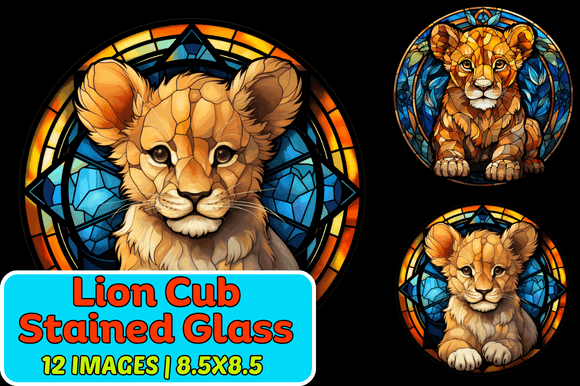
The Lion Cub Stained Glass design immediately brings a sense of whimsy and elegance to the table. The stained glass effect is playful yet refined, making it versatile enough to work across a range of themes and aesthetics. The lion cub itself is stylized with soft curves and bold outlines, which gives it a friendly, approachable look. This isn’t a fierce lion—it’s more like a noble mascot, perfect for children’s items or boutique branding that leans toward the magical and artistic.
I found the layout to be balanced and centered, which is great for most embroidery applications. The color palette is vibrant and well-considered, with each hue standing out clearly without overwhelming the overall composition. As a background graphic, it offers depth and interest, but as a standalone embroidered image, it also holds up beautifully.
Visual Personality and Project Fit
This design feels like it belongs on a sweatshirt embroidery, especially one destined for a little boy or girl. Its scale and detail level make it suitable for larger hoop sizes, and the central motif allows for easy placement on garments, tote bags, or even nursery decor. The stained glass style suggests a hand-drawn or illustrated origin, which adds character and makes it stand out from generic vector-based designs.
What I appreciate most is that it doesn’t scream “embroidery,” but rather fits naturally into a broader artistic context. That kind of subtlety can elevate a handmade product by making it feel intentional and unique—just what small shop owners and Etsy sellers are aiming for when they want their items to look professionally crafted.
Custom Apparel and Tote Bags
When considering custom apparel, such as a tote bag design or a baby onesie, the Lion Cub Stained Glass shines. The colors pop against lighter fabric backgrounds, and the intricate lines translate well into satin stitch and fill stitch techniques. For tote bags, I’d recommend using a medium-weight cotton or linen blend to ensure the design remains crisp and visible after repeated use and washing.
For a sweatshirt embroidery, especially in a family-friendly setting, this design could serve as the focal point of a personalized gift. Imagine pairing it with some simple lettering in black thread—this would make for a standout holiday gift or a cherished keepsake.
Printables and Digital Assets
If you're working with digital products, the included PNG and PDF formats are solid choices. They’re high quality and scalable, which is essential for creating printable mockups or using the design as part of a digital embroidery file collection. The 8.5” x 8.5” size is generous enough for many uses, but if you plan to resize it significantly (like for a patch), you’ll need to check whether the details remain intact.
It works well as a background graphic in greeting cards, planners, and invitations. The stained glass texture adds a subtle shimmer and complexity that printed designs often miss. Just be cautious about overcomplicating the layout; let the design breathe and don’t cram too much text or imagery around it.
Applique and Decorative Projects
I also tested this design as an applique design for a decorative pillow cover. The result was impressive—the colors maintained their vibrancy through multiple layers of stabilizer and felt, and the final piece looked professional enough to sell in a craft fair product line. The only thing to watch out for is the amount of stitch density, which can affect how stiff or flexible the applique feels once finished.
On kitchen towels or blankets, the design adds a touch of personality without being too busy. The key here is to match the thread colors with the fabric tone. On a white towel, the colors are stunning, but on a darker base, you may need to adjust the contrast to keep the design legible.
Where to Use It Carefully
While Lion Cub Stained Glass has a lot going for it, there are scenarios where it might not perform optimally:
- Small hoop sizes: The design is fairly detailed and benefits from a bit of space. If you try to shrink it too much, the stained glass elements may become muddied.
- Textured fabrics: Fabrics like denim or canvas can interfere with the smoothness of the design. Test it on a scrap first to see how the stitches lay down.
- Thin or stretchy fabric: The delicate lines of the design require stability. Without proper stabilizer, you risk distortion or puckering.
- Dark fabric: The colorful nature of this design needs a light backdrop to really shine. Consider using a white or pastel fabric for best visibility.
- Curved surfaces: Embroidering onto a cap or curved surface could cause stretching or misalignment, especially if the design includes tight corners or intricate patterns.
- Frequent washing: While the design is beautiful, dense areas of stitching may fade slightly over time. Choose durable thread and fabric if it's for a small shop product that will be washed regularly.
Design Integrity and Stitch Clarity
One of the things I always check is how well a design maintains its integrity after stitching. With Lion Cub Stained Glass, the main challenge comes in the smaller details—especially the inner glass segments. These can become less distinct depending on the hoop size and fabric choice. I suggest testing it at full size on a sample before committing to a client project or production run.
Also, because of the stained glass aesthetic, the design relies heavily on color transitions. If you're using a limited number of thread colors, it might lose some of its charm. However, if you have access to a wide color range, it can look absolutely stunning.
Product Value and Customer Trust
Using Lion Cub Stained Glass in your embroidery project can significantly enhance the perceived value of your handmade product. Customers notice when a design looks thoughtfully applied and professionally stitched. This design does that well, especially when used in personalized gifts or holiday embroidery.
Its cohesive style helps maintain brand consistency if you're building a themed line of products. Think of a boutique offering matching sweatshirts, aprons, and patches all featuring this lion motif. It creates a sense of unity and recognition that customers respond to positively.
Giftability and Recognition
The design’s charm makes it highly giftable. Whether it's a newborn baby item or a special birthday present, the lion cub’s gentle demeanor and vibrant presentation catch the eye. For commercial embroidery, it's a safe bet for businesses targeting families or those looking to add a touch of whimsy to their merchandise.
That said, if you're using it in a minimalist or modern brand context, it might come off as too ornate. Always align the design with your audience’s expectations and aesthetic preferences.
Designer Notes and Practical Advice
Before diving into your embroidered patch or small shop product, here are a few tips I’ve learned over the years:
- Test on scrap fabric first: Especially important for textured or stretchy materials.
- Check thread color contrast: Make sure your chosen threads will stand out against the fabric background.
- Review stitch density: Dense areas may require extra stabilizer or adjustments to avoid puckering.
- Confirm hoop size: The design is large enough that shrinking it too much can compromise clarity.
- Inspect small details: Look closely at the glass segments and inner lines to ensure they’re clear and won’t get lost during resizing.
- Use proper stabilizer: Tear-away or cut-away stabilizers are recommended, depending on the fabric and project type.
- Compare light and dark backgrounds: The design behaves differently on each, so do a quick test swatch if you’re unsure.
- Check licensing terms: Before selling any finished product or using it in commercial work, confirm that the design is available for resale and/or commercial use.
Final Thoughts for Makers and Sellers
In the world of machine embroidery design, Lion Cub Stained Glass stands out for its balance between artistry and practicality. It’s not a flashy, over-the-top design, but rather one that invites warmth and creativity into your work. Whether you're an Etsy seller looking to expand your offerings or a craft business owner designing for a boutique line, this is a design worth considering.
Remember, though: no design is one-size-fits-all. Take the time to evaluate how Lion Cub Stained Glass interacts with your specific materials, machines, and customer base. With the right preparation, it can be a powerful addition to your design assets and help create finished products that resonate with buyers and tell a story.
So go ahead, give it a try—but do your homework first. Your customers will thank you for the care and quality you bring to every embroidery project.